
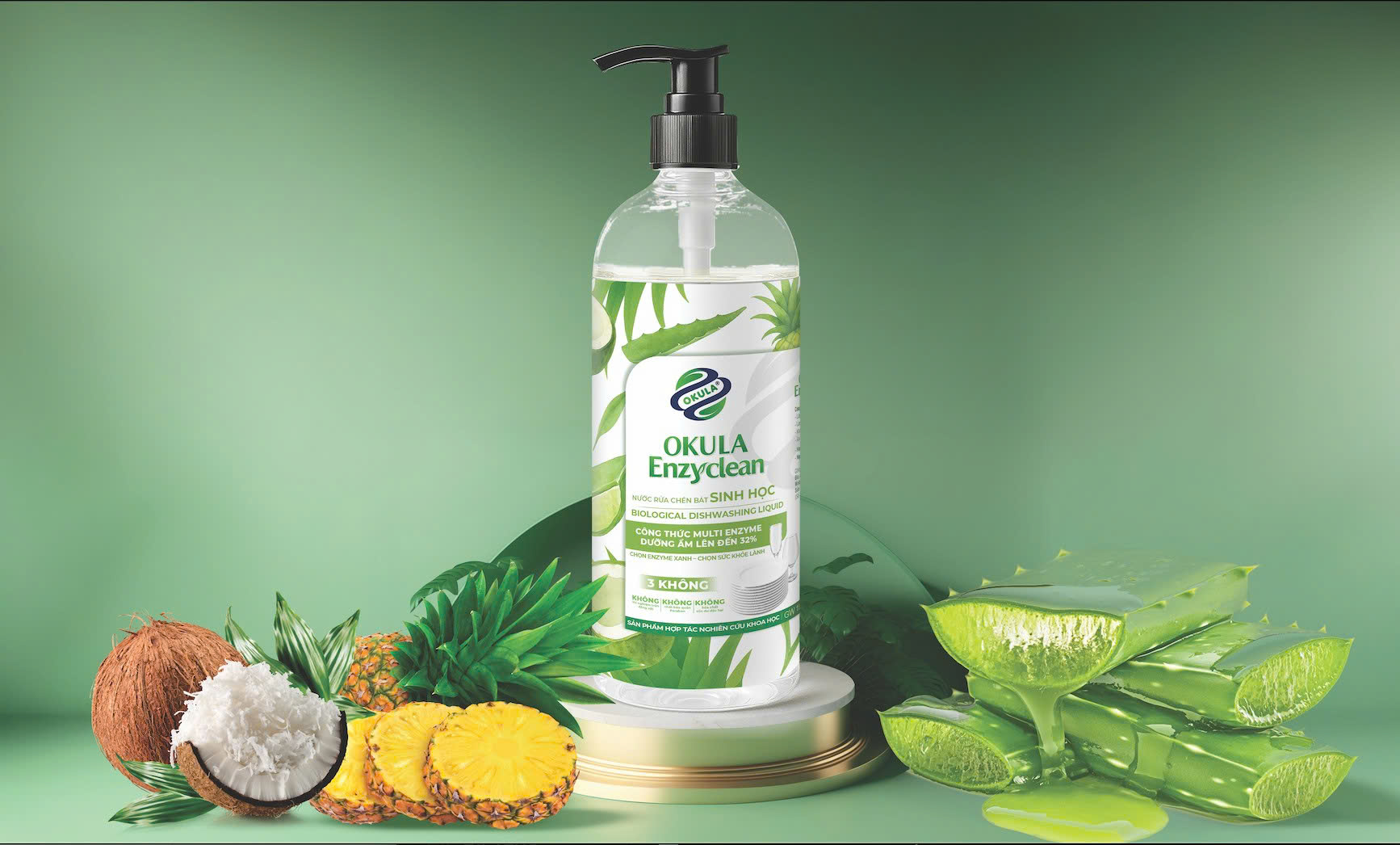

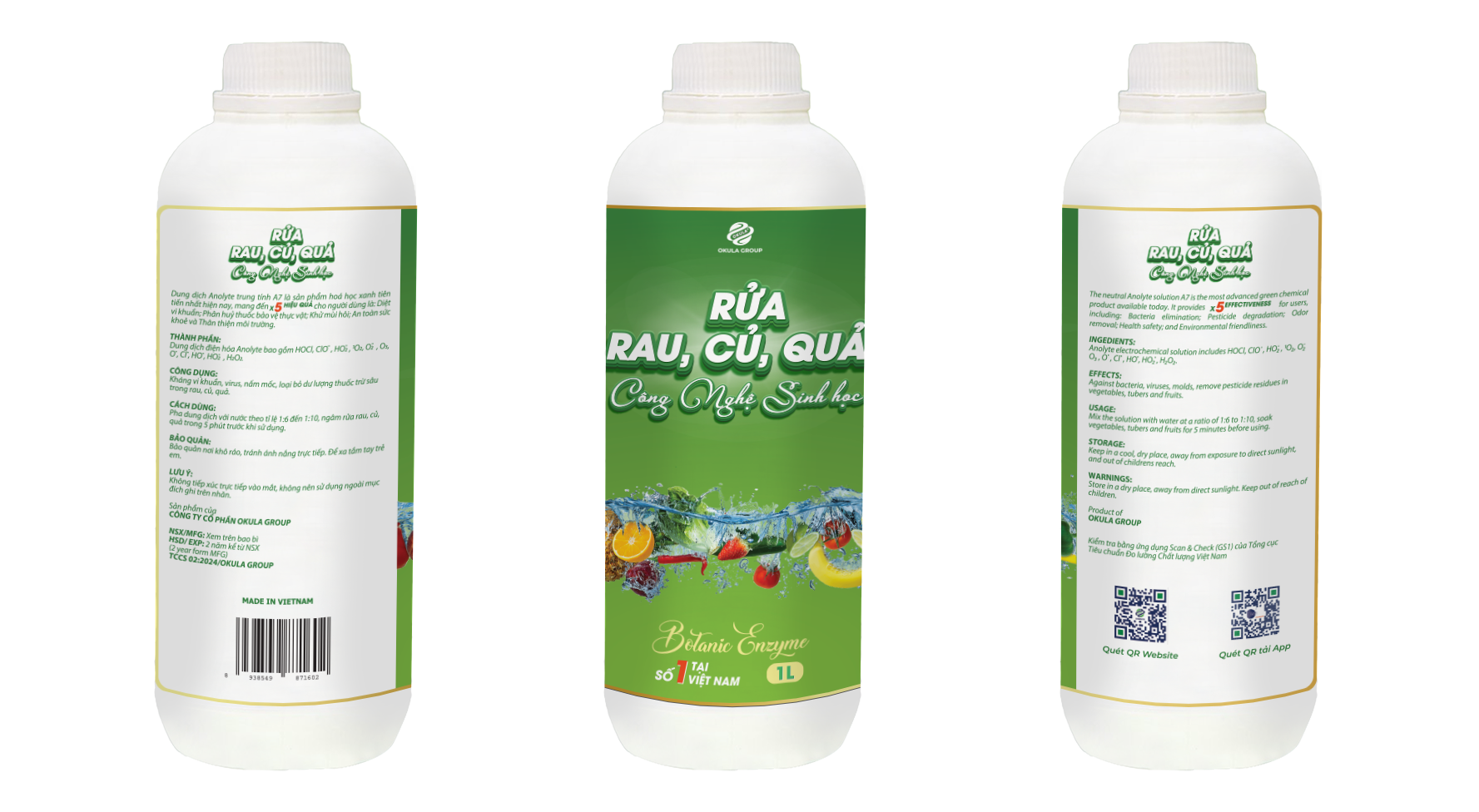
Enzymes in Cleaning Products: When Biotechnology Enhances Everyday Life
Cleaning isn’t just about removing stains from a surface. With many stains caused by food, grease, or sweat, understanding What substance does the stain consist of? will help determine the most appropriate treatment method. That is why enzymes are being researched and incorporated into the formulations of many modern laundry and cleaning products. At OKULA, biotechnology is a key focus in the development of household care products: understanding cleaning mechanisms, selecting ingredients based on intended use, and evaluating effectiveness in the finished product.
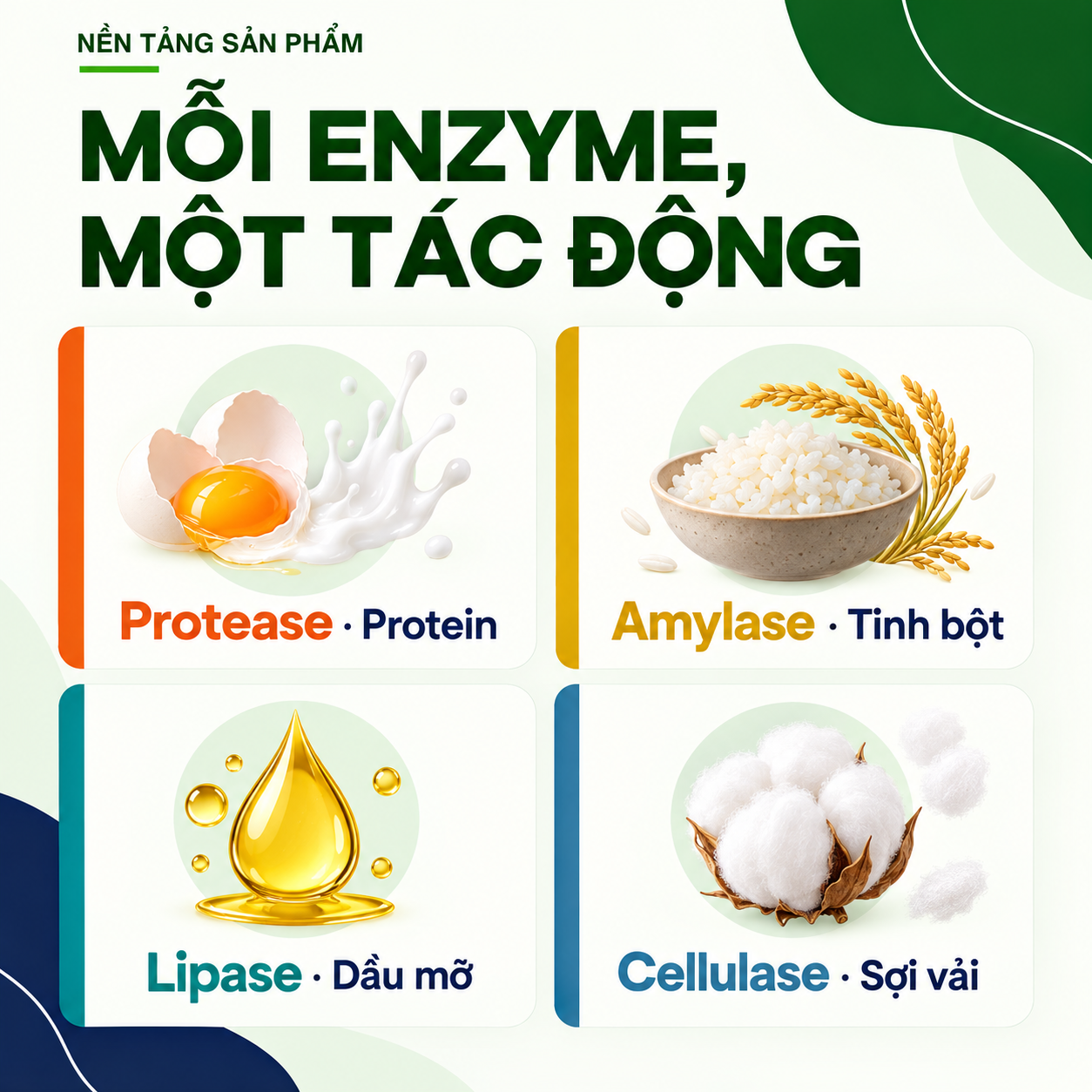
What are enzymes? Enzymes are biological catalysts, most of which are proteins. They accelerate specific reactions without being consumed in the process. In laundry detergents, certain enzymes can act on the components of stains, breaking them down into smaller parts to facilitate the cleaning process. Each enzyme is most effective against specific types of stains. Therefore, enzyme-based formulations must be designed based on Type of stain and intended use, rather than simply adding enzymes as a trendy ingredient.

How do enzymes support the cleaning process?
Imagine a food stain on fabric: it can contain starch, fat, and protein all at the same time. A single enzyme cannot effectively act on all of these components equally. When selected appropriately, enzymes help break down each group of substances; then water, surfactants, and the agitation of the wash cycle work together to remove the stain from the fabric’s surface. Cleaning effectiveness therefore comes from All formulas and usage instructions, not just from a single ingredient. Enzymes also do not replace the use of the correct dosage or proper treatment for each type of fabric and stain.
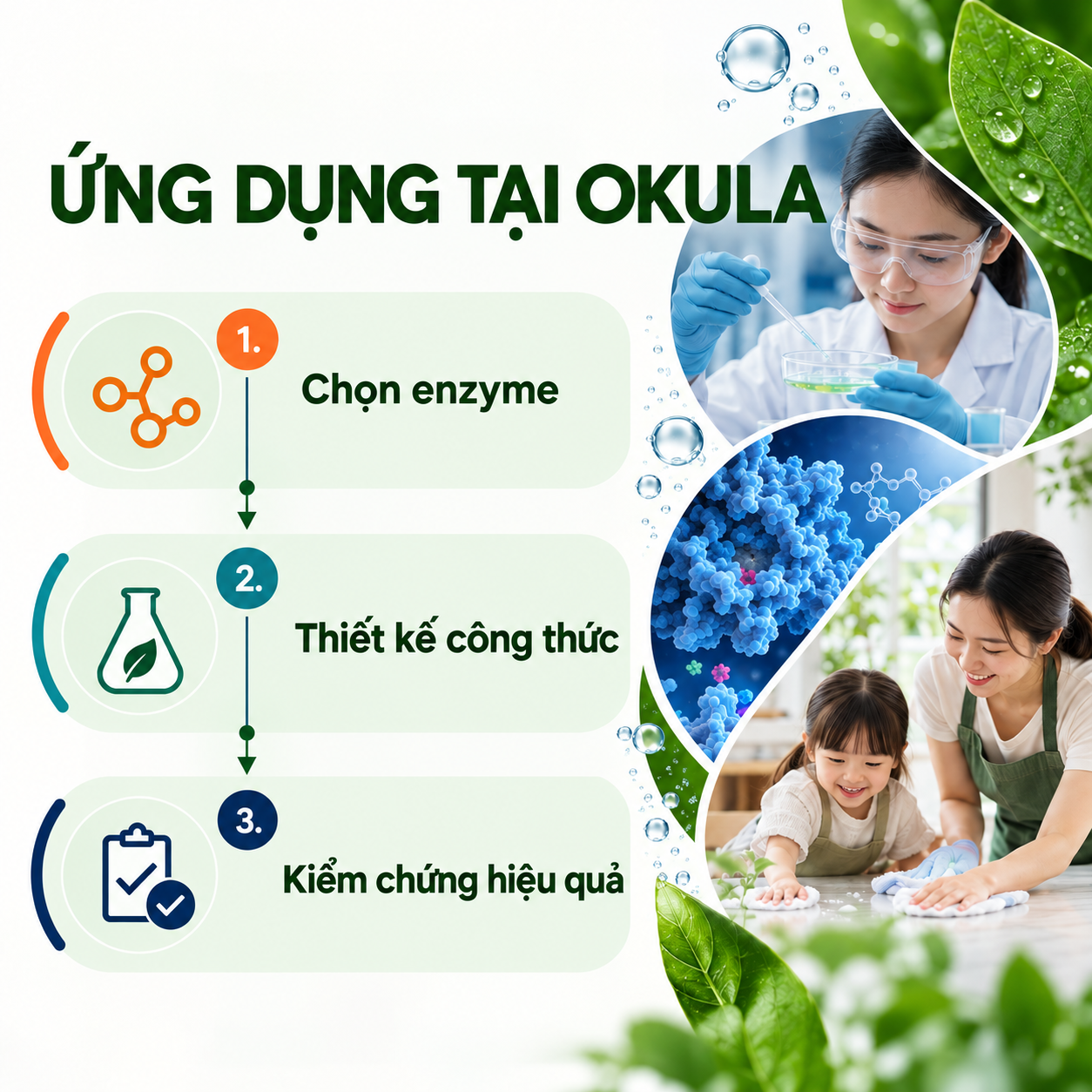
From enzyme research to an everyday product.
Incorporating enzymes into laundry products requires several evaluation steps:
Choose the right enzyme: Identify the types of stains to be treated and the surfaces the product is intended for.
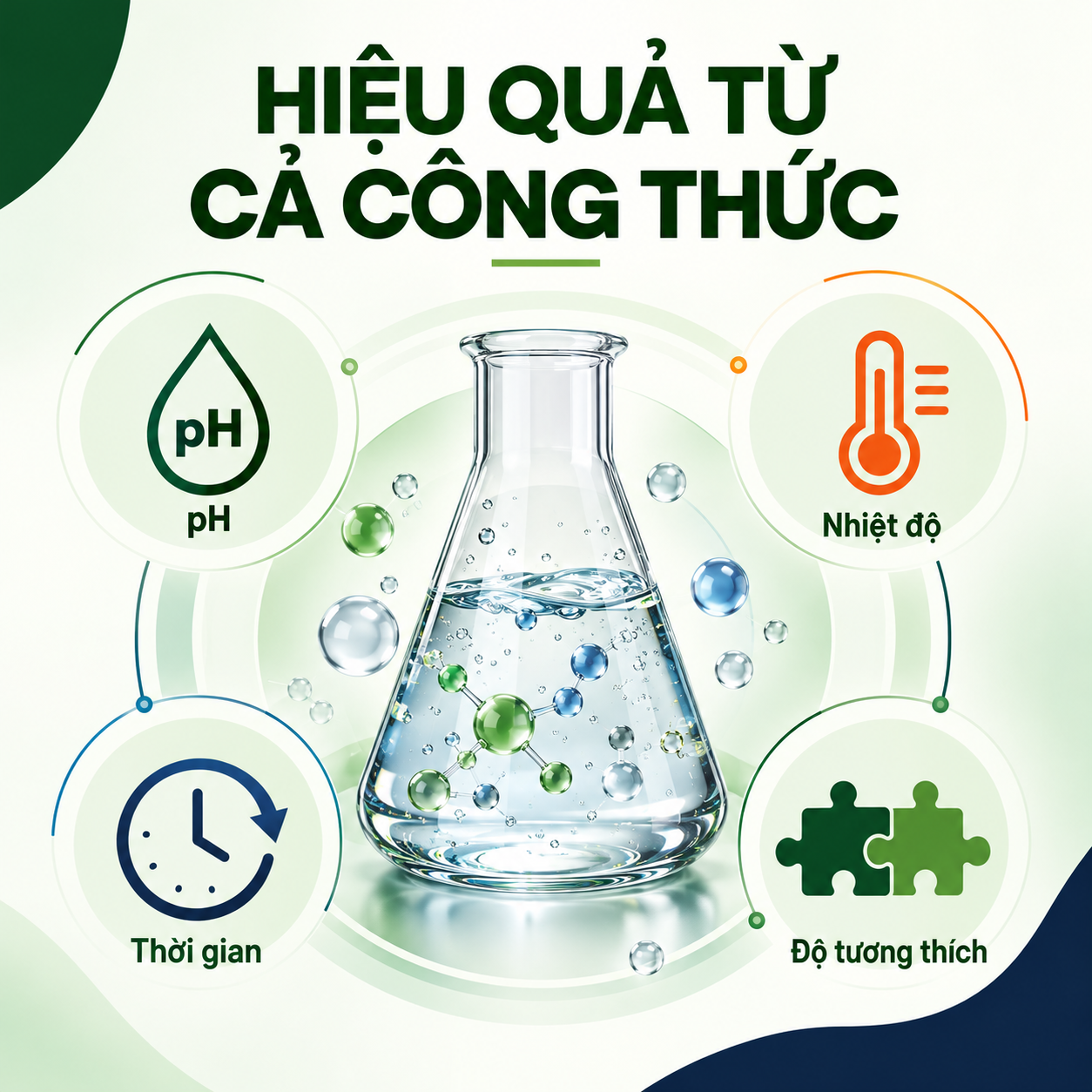
Designing an appropriate formula: Consider pH, surfactants, preservatives, and other ingredients that may affect enzyme activity.
Stability Test: Evaluate the enzyme under actual storage and use conditions, including temperature and exposure time.
Finished Product Testing: Test the effectiveness of the final formula before providing specific information about the product's features.
Factors such as activity, concentration, pH, temperature, and compatibility with surfactants can all affect the actual effectiveness of enzymes in detergents.
Biotechnology and the Trend Toward Green Consumption
Enzymes can be produced through biological processes, including the cultivation of suitable microorganisms. In some formulations, the use of appropriate enzymes can aid in cleaning under relatively mild washing conditions. However, The presence of enzymes does not mean that the entire product is automatically biodegradable, completely safe, or has no impact on the environment.. These characteristics must be evaluated based on the finished product’s formulation in accordance with applicable standards. At OKULA, our approach to biotechnology is driven by a desire to provide practical household care solutions and encourage responsible consumption habits. It is essential to combine scientific insights with appropriate formulations, clear usage instructions, and test results for each product. To find out which enzymes are used in a specific OKULA product, what their benefits are, and how to use the product correctly, please refer to the product label and the information provided for that specific version.

 Vietnamese
 English
 Chinese