
Washing dishes frequently can cause your hands to become dry, or—in more severe cases—as soon as your hands come into contact with dish soap, your skin may crack, peel, or even become raw, causing extremely uncomfortable itching, especially during the cold season. So how can you treat this condition? hand dish soap?

Causes and Consequences of Dishwashing Liquid Irritating the Hands
Dish soap-induced skin irritation is a condition in which the skin on your hands becomes dry and flaky, with blisters appearing that cause itching and discomfort. Although these are only superficial symptoms that are not dangerous, if not treated promptly, the sores can easily become infected and develop pus… The cause of dish soap-induced skin irritation is skin exposure to the chemicals in dish soap. The stronger the chemicals in the dish soap, the more severe the symptoms become.
In addition, people who are frequently exposed to dishwashing liquid are at very high risk of developing this condition. Typical examples include professional dishwashers, homemakers, and even people with sensitive skin on their hands or a predisposition to allergies…
In fact, in addition to dish soap, other household cleaning products can also cause dry skin and accelerate skin aging. If you have sensitive, easily irritated skin, these symptoms may be more severe, creating conditions for fungal infections and leading to dish soap causing skin irritation on your hands.
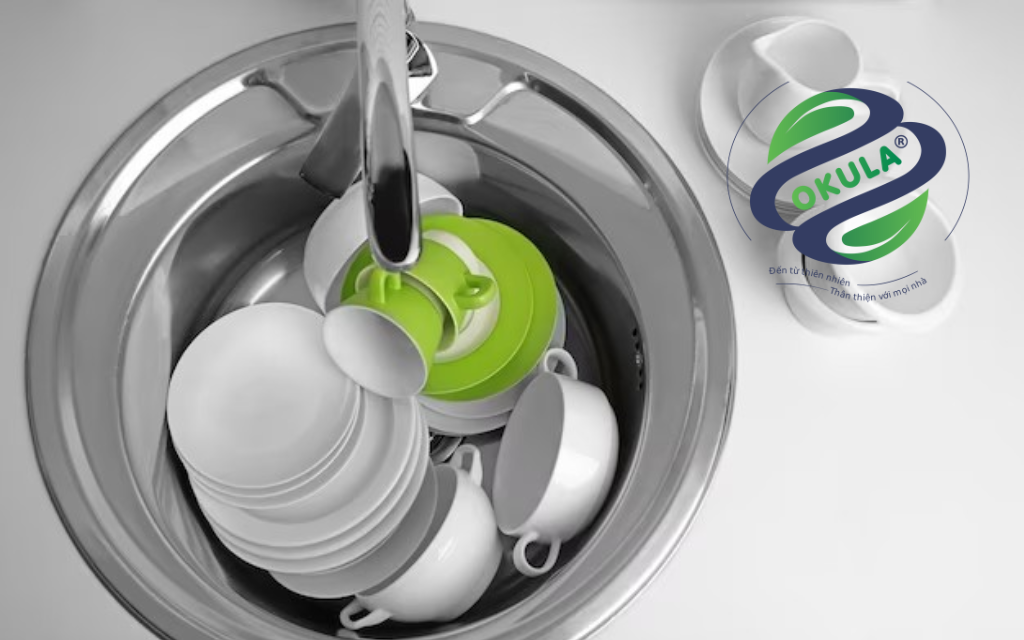
How to Effectively Treat Hand Dishwashing Liquid
Hand dermatitis caused by dish soap in particular—and exposure to chemicals in general—can be completely cured. The earlier it is detected and treated, the faster it will heal, and the less likely it is to leave complications such as dark spots, skin damage, or scars.
Treatment for dishwashing-induced dermatitis involves using medication prescribed by a doctor, combined with protecting the hands from irritants, typically cleaning chemicals (dish soap, etc.).
Choose a dishwashing liquid with a low chemical concentration
First, to minimize the severity of the disease, we need to choose the type of dish soap Choose products with low chemical concentrations, prioritizing gentle, natural formulations that are safe for both your hands and your health.
When choosing rubber gloves, be sure to select high-quality products that are free of chemical residues and rubber latex, which can cause allergic reactions. Use gloves that are completely dry. After use, wash your hands, wash the gloves, and hang them upside down to dry for future use.
Wash and dry your hands after washing the dishes
After coming into contact with water or dish soap, we need to wash our hands again and then dry them thoroughly, because a damp environment is ideal for mold to grow and spread, leading to the spread of disease.
You shouldn't use water that's too hot to wash dishes
During the cold season, many people are in the habit of using hot water to wash dishes and rinse them thoroughly to remove grease and dishwashing detergent. However, you should only use warm water and avoid hot water, as it can not only cause burns but also dry out your hands. Even if you wear gloves, hot water will cause them to wear out quickly.
Moisturize your hands regularly
To prevent your skin from drying out, you should moisturize your hands regularly. If your hands already have sores, you should treat them first and wait until the skin has healed before moisturizing. You can use a specialized hand cream or natural ingredients like coconut oil.
Use olive oil or coconut oil if dish soap is irritating your hands
If your hands have a mild allergic reaction to dish soap that causes itching and a rash, you can use coconut oil to soothe and care for your hands. This is because coconut oil contains many fatty acids that help heal wounds and moisturize the skin. In fact, you can even apply coconut oil immediately after washing dishes to prevent dish soap from irritating your hands or causing them to become chapped, cracked, or dry.
In addition, olive oil is not only known as a nutrient-rich ingredient for food but also gently nourishes the skin on your hands. The antioxidants in olive oil help moisturize and soothe the skin, while maintaining its youthfulness and elasticity. Just like coconut oil, you can use olive oil regularly to see the benefits for your hands.
Hand Mask with Unsweetened Milk and Lemon
With its gentle ingredients—including vitamins A, D, and E—fresh milk has long been used by many women as a face mask to brighten the skin. Combined with the natural active ingredients found in lemons, this lemon-and-milk mixture soothes, nourishes, and brightens the skin on your hands.
Making this mixture is incredibly simple. Just mix unsweetened fresh milk with fresh lemon juice in a 1:10 ratio, then rub it all over your hands. Next, massage your hands for about 4–5 minutes until the mixture dries, then apply more of the mixture to your hands and continue massaging. Repeat this process for about 25–30 minutes, then wash your hands thoroughly with warm water. With this method, you should do it at least twice a week to see results quickly.
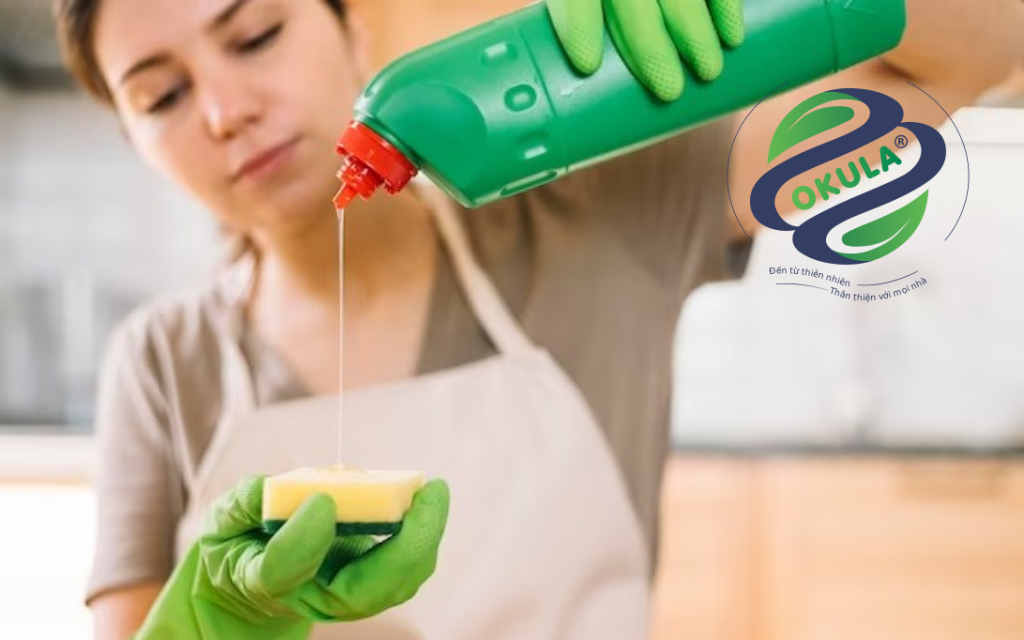
Choose a dishwashing liquid from a reputable source
Using a gentle and safe dishwashing liquid will help you prevent and treat skin irritation caused by dish soap. Plant-based dishwashing liquids are a good option for you. In addition to keeping your hands soft, they also help protect your family’s health from harmful chemical agents.
The Okula Brand This well-known brand has launched a wide range of dishwashing liquids from reputable sources that meet hygiene and safety standards and have been well-received by consumers. Among the brand’s standout products are Okula dishwashing liquids in green tea and lemongrass scents. These products offer the following notable features:
- Effectively removes stains and grease from dishes in just one wash. This product helps women save both time and effort.
- 100% is a plant-based cleaning formula. Utilizing Okula’s proprietary technology, this product stands as a testament to its gentleness and safety. It effectively cleans dishes while being gentle on the user’s hands.
- Safe and gentle on the hands: Okula dish soap in green tea and lemongrass scents has been tested and certified to meet Vietnamese quality standards. The product has also been tested and certified as safe by the Central Dermatology Institute. For this reason, consumers can feel confident using it regularly.
- Meets Vietnamese Quality Standards: This product has been tested and certified to meet Vietnamese quality standards. You no longer have to worry about using low-quality imported goods.
I hope these tips are helpful to you and help you effectively deal with the problem of dish soap irritating your hands. Also, be sure to take care of your hands every day to keep your skin soft, smooth, and fair!



 Vietnamese
 English
 Chinese