
It’s not just women—men also struggle with hair loss as they get older. The main cause of this condition is that your hair lacks sufficient strength and vitality. Should you steer clear of chemical shampoos? Can herbal shampoos for hair loss help improve this condition? Let’s find out more about How to Make Herbal Shampoo Okay?
A Look at Some Herbal Remedies for Hair Loss in Vietnamese Folk Medicine
In Vietnamese folk medicine, there are many herbs believed to be effective in treating hair loss. Below are some common herbs used for hair care and to reduce hair loss:
- Centella asiatica: Centella asiatica is not only a nutrient-rich food but is also believed to help improve hair health, including reducing hair loss.
- Vietnamese coriander: Vietnamese coriander is also considered a herb that can help improve the health of the hair and scalp, while also helping to reduce hair loss.
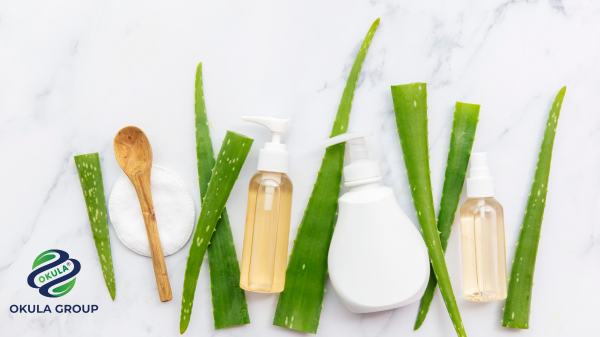
- Aloe vera: Aloe vera contains many nutrients and enzymes that can help balance the scalp, reduce irritation, and prevent hair loss.
- Peppermint Leaves: Peppermint soothes and cleanses the scalp, helping to reduce dandruff and hair loss.
- Barley: Barley is rich in amino acids and B vitamins, which help nourish the hair and scalp, thereby reducing hair loss.
- Nương Nương root: Nương Nương root is believed to be effective for hair care and reducing hair loss.
- Ginger: Ginger is not only a spice but is also used in hair care. Ginger can stimulate blood circulation to the scalp and improve the health of hair follicles.
- Clover: Clover is believed to stimulate new hair growth and reduce hair loss.
Why should you use herbal shampoos to treat hair loss?
There are several reasons why using herbal shampoos to treat hair loss may be a reasonable option:
- Natural and safe: Herbal shampoos are typically made from natural ingredients such as herbs, plants, and natural oils, and contain few harmful chemicals. This reduces the risk of scalp and hair irritation, making them suitable for people with sensitive scalps or those who are prone to allergic reactions to the chemicals found in conventional hair care products.
- Nourishes the hair: Herbs are often rich in nutrients that are beneficial for the hair, such as amino acids, vitamins, and minerals. Using herbal shampoo can provide additional nutrients to the hair and scalp, helping to improve hair health and reduce hair loss.
- Reduces scalp irritation: Herbal ingredients typically have soothing properties that help reduce scalp irritation, restore balance to the scalp, and alleviate inflammation, dandruff, and itching.
- Ability to stimulate new hair growth: Certain herbs are believed to stimulate new hair growth and improve the health of hair follicles, thereby helping to reduce hair loss and promote healthier hair.
- Natural fragrance: Herbal shampoos typically have a natural fragrance derived from herbs and natural oils, providing a relaxing and refreshing experience for the user.
How to Make Herbal Shampoo: What You Should Know?
Making herbal shampoo at home can be a great way to take advantage of natural ingredients and cleanse your hair and scalp without having to use preservatives or chemicals. Here is a basic guide on how to make herbal shampoo at home:
Step 1: Prepare the ingredients
- Choose herbs that suit your needs, such as eucalyptus, ginkgo, gotu kola, Vietnamese coriander, chrysanthemum, rose, ginger, aloe vera, etc.
- You can also use natural oils such as coconut oil, barley seed oil, almond oil, or olive oil.
Step 2: Processing Herbs
- Choose a base oil: First, choose the base oil you want to use. Coconut oil is often a popular choice because it absorbs well and nourishes the hair and scalp.
- Preparing Herbs: You can use fresh or dried herbs. If using fresh herbs, crush them finely to create a paste. If using dried herbs, grind them into a fine powder to release their compounds and nutrients.
Step 3: Mix and cook
- Mixing oil and herbs: Combine the base oil and herbs in a small pot over low heat. The typical ratio is about 1 part herbs to 3–4 parts oil, but you can adjust this ratio according to your personal preferences and needs.
- Bring to a boil: Bring the mixture to a boil, then reduce the heat to low. Let the mixture simmer for about 20–30 minutes to allow the oil time to absorb the nutrients from the herbs.
Step 4: Filter and Store
- Strain: After the mixture has been brought to a boil and allowed to cool, strain it through a sieve or cheesecloth to remove any remaining herb particles.
- Storage: Pour the strained shampoo into a clean, airtight bottle or jar for storage. Natural herbal shampoos should generally be stored in the refrigerator and used within 1–2 weeks to ensure freshness and effectiveness.
Step 5: Use
- Before use, shake the bottle well to mix the ingredients.
- Use this herbal shampoo just as you would any regular shampoo. Gently massage it into your scalp and hair, then rinse thoroughly with water.
Treatment for reducing hair loss using Hương Xưa Herbal Shampoo It requires patience. As mentioned above, the effectiveness of these shampoos isn’t immediately apparent. However, their ability to make your hair stronger and reduce hair loss is undeniable. Okula Vietnam Wishing you lustrous, soft, and silky hair—and here’s how to make herbal shampoo that’s safe for your health.



 Vietnamese
 English
 Chinese