
Although the use of fabric softener is not entirely unfamiliar to most of us, however How to Use Fabric Softener Properly and its effectiveness is something not everyone knows about. In this article, let’s join Okula to learn how to use fabric softener correctly so you can take better care of your clothes!

Why do your clothes still not smell good even though you’ve used fabric softener?
There are several ways to explain this:
- First of all, it might be because you’re using too little fabric softener for your clothes to smell good enough.
- Second, it may be because your washing machine cannot automatically drain the fabric softener.
- Third, when you poured the fabric softener directly onto the clothes, you didn't distribute it evenly.
- Fourth, accidentally pouring fabric softener into the detergent compartment.
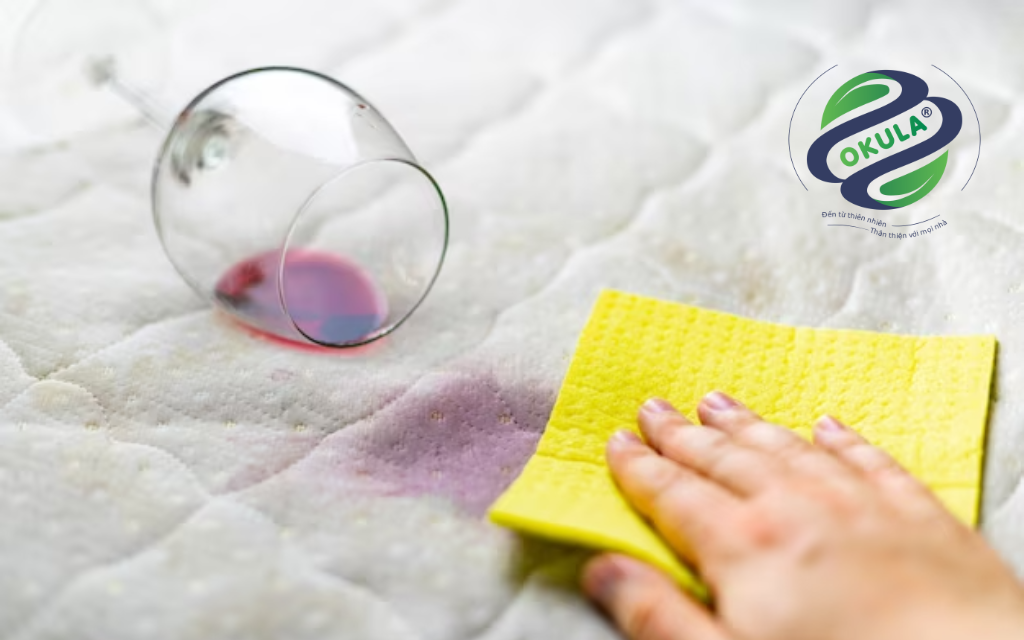
Why is it necessary to use fabric softener when doing laundry?
Fabric softener helps clothes last longer
The benefits of fabric softener Especially for wool and other coarse fabrics, fabric softener keeps each fiber soft and smooth, forming a light protective layer that helps preserve the color and shape of each garment. Thanks to the colorfastness of the fabric, your clothes will look new for longer.
Fabric conditioner helps protect sensitive skin
Laundry detergent can make your clothes and towels stiff and dry, especially if you live in an area with hard water. This leaves you with rough, scratchy fabrics that can irritate delicate skin, especially in young children. Fabric softener helps keep clothes soft against sensitive skin, but be sure to use a gentle laundry detergent along with your fabric softener.
Fabric softener helps make clothes and linens soft
Use fabric softener along with laundry detergent and fabric softener It will make your clothes softer, fresher, and more comfortable. Fabric softener softens fabrics by creating a protective layer on the fibers, while also reducing static cling on your clothes.
Fabric softener helps save time
Using fabric softener correctly can be especially helpful if, like most of us, you want to spend as little time as possible ironing your clothes. Clothes washed with fabric softener usually come out of the washer with fewer wrinkles; the softer fibers make it easier for wrinkles to fall out, so ironing requires less effort.
Fabric softener leaves clothes with a fresh, clean scent
Clothes, bedding, and towels that smell fresh help us feel more comfortable when we sleep, wear them, or wrap ourselves in them.
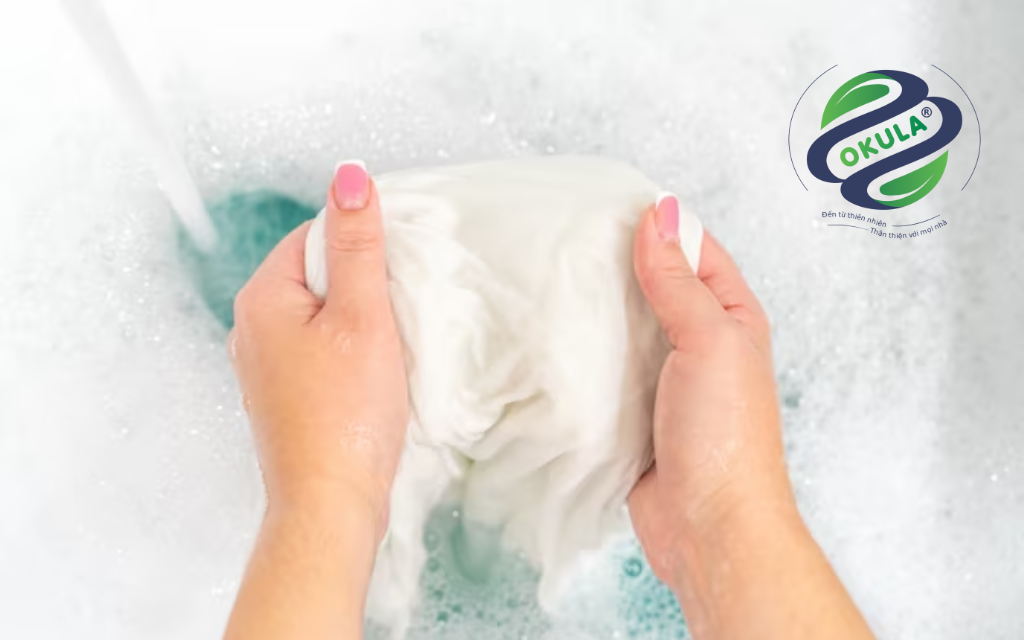
How to Use Fabric Softener to Keep Your Clothes Smelling Fresh Longer
Fabric softener is very easy to use—just add the recommended amount to your laundry along with your favorite laundry detergent.
The exact spot where you add fabric softener depends on the type of washing machine you have—whether it’s a top-loading or front-loading model. Follow these simple steps to learn exactly how to do it.
The Right Time to Use Fabric Softener
If you soak your clothes in fabric softener immediately after the first rinse, the soap may not be completely rinsed out, and the clothes may retain the scent. Therefore, rinse the clothes with water to remove some of the soap before soaking them in fabric softener.
Soaking time for fabric softener to keep clothes smelling fresh longer
Many people believe that the longer you soak clothes in fabric softener, the longer the scent will last. However, the truth is that the longer you soak them, the more the scent fades. In addition, the fabric softener solution can break down, which may be harmful to your family’s health.
Therefore, you should let your clothes soak in fabric softener for more than 10 to 15 minutes, depending on the type of fabric softener. Each type of fabric softener has a different soaking time, so you should check the instructions carefully beforehand.
Rinse clothes for long-lasting freshness using just the right amount of water
Just like with timing, the amount of fabric softener should also be moderate. Using too much fabric softener doesn’t mean your clothes will retain the scent longer. Generally, one capful is enough to treat about 20 items of clothing of various types. For thicker fabrics, half a capful is all you need.
Pour the fabric softener into the designated compartment on the washing machine at the beginning of the wash cycle.
Note: To use fabric softener correctly, pour it into the fabric softener compartment right before starting the wash cycle so that it is distributed evenly throughout the cycle to soften the fabric and leave a pleasant scent.
However, keep in mind that this method for making clothes smell fresh longer will use twice as much fabric softener. In addition, you should not pour it directly onto the clothes, as this can cause the colors to bleed or result in the fabric softener not being distributed evenly throughout the washing machine drum.
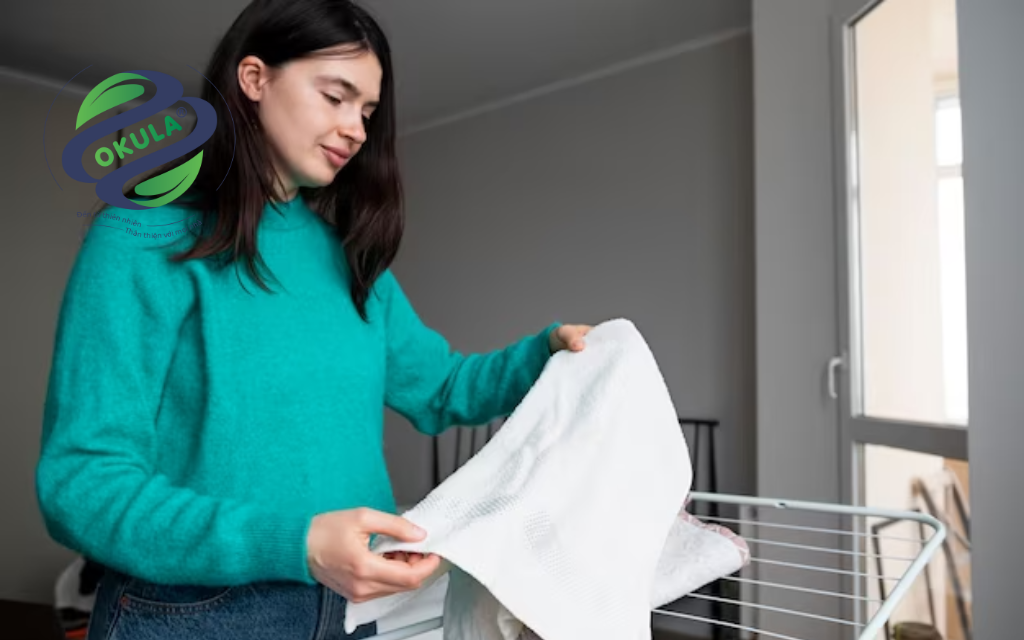
When should you avoid using fabric softener?
The benefit of fabric softener is that it can be used as part of your regular laundry routine—an easy, convenient addition to help you care for your clothes. Although it can be used on most fabrics, there are a few exceptions, which we’ve listed below. You should always check the care label on your clothes before washing them with fabric softener.
Fine fabric fibers
Fabric conditioner creates a thin protective layer on each fabric fiber. While this is usually a good thing for caring for your clothes, microfiber cloths and cleaning cloths are specifically designed to absorb as much as possible, so coating these fine fibers with a layer of fabric conditioner will make them less effective.
Sportswear
Most athletic clothing is designed to wick away sweat, keeping your skin dry at all times. As with microfibers, the protective properties of fabric softeners can interfere with the fabric’s breathability and moisture-wicking ability.
Fire-resistant materials
Fabric softener can reduce the flame-resistance of these fabrics, so it’s best to avoid using it. Some children’s sleepwear is designed to be flame-resistant, so you should check the label before washing them with fabric softener.
Here’s how to use fabric softener properly when doing laundry and caring for your clothes. Don’t forget to visit Okula Be sure to check out our helpful tips on family and home care!



 Vietnamese
 English
 Chinese