Homemade dish soap is incredibly easy to make using a variety of natural ingredients. Today, Okula will tell you How to Make Foamy Dish Soap Super simple to do at home. Check it out and give it a try right away!
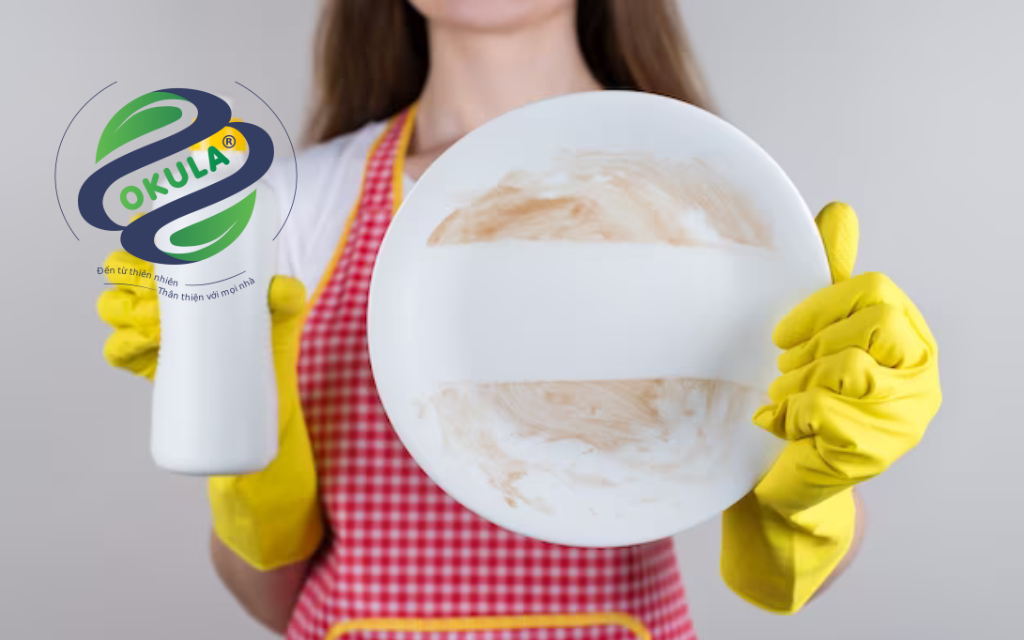
Instructions for Making Foaming Dish Soap
The ingredients include:
- 10–12 large yellow lemons
- About 1–1.9 kg of aloe vera
- More than one cup of table salt
- One liter of 95-proof alcohol.
- 300–350 g of coconut-based foaming agent.
- 5–6 liters of distilled water.
- Equipment: Juicer, glass jar, peeler with a lid (1000 cc capacity).
Instructions:
Step 1: Wash the lemon and aloe vera thoroughly. Remove the flesh from the aloe vera, and cut away the pith from the lemon, then peel the entire lemon. Note: Using a peeler or a knife to peel the lemon will be faster.
Step 2: Place the lemon peel in the jar, fill it with alcohol, and close the lid. Let it steep for 24 hours, minimizing movement.
Step 3: Drain off all the old liquor, pour in the new liquor, and let it steep for another 24 hours.
Step 4: Place the aloe vera and a little water in a blender, then blend until smooth. Next, gradually combine the aloe vera, lemon-flavored liquor, salt, and foaming agent. Stir well, then let it sit for about 15–20 hours so the foaming agent can settle. After this time, the product is ready to use.
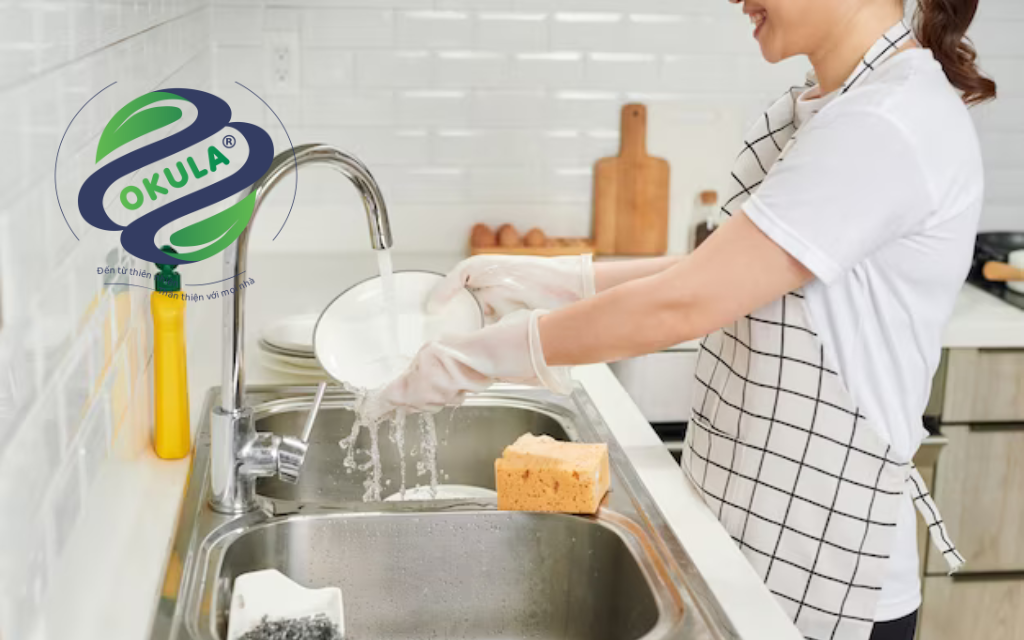
How to Make Foaming Dish Soap from Baking Soda, Salt, Vinegar, and Lemon
The ingredients include:
- 2–3 cups of baking soda
- Sodium carbonate
- More than half a cup of salt
- More than half a cup of vinegar
- 20–25 drops of lemon juice
Instructions:
Step 1: Mix all the ingredients thoroughly in a large bowl.
Step 2: Use the provided trays as molds, then pour the mixture into each tray and press it down firmly to ensure the best quality
Step 3: Dry the finished product in a dry, sunny place for at least 24 hours
Step 4: Once the finished product has set, gently remove it from the pan and store it in an airtight container for future use.
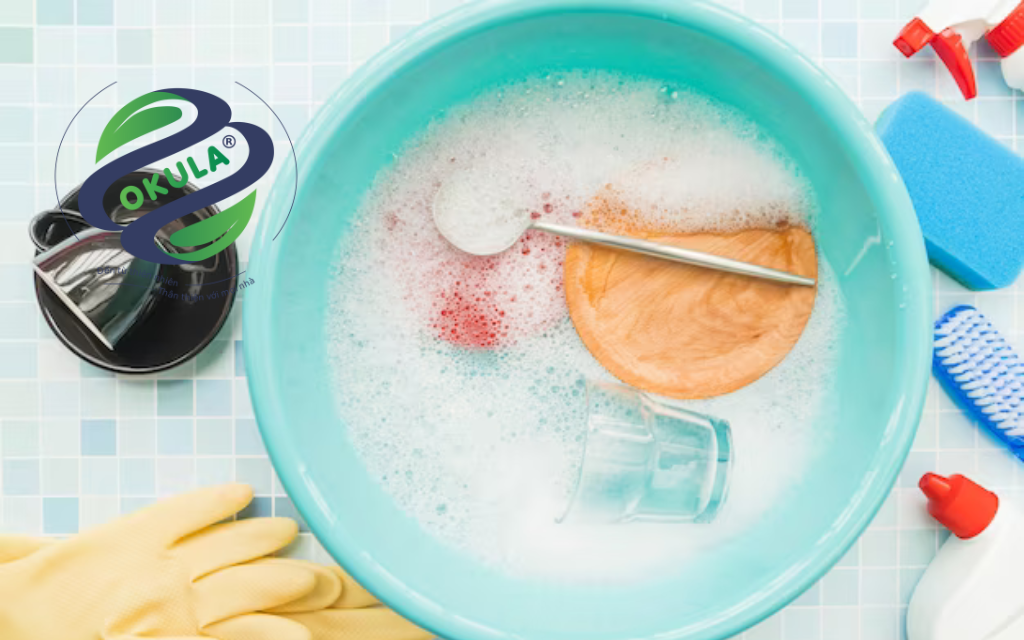
Precautions for Use How to Make Foamy Dish Soap
How to Make Homemade Dish Soap Last Longer
Homemade dish soap contains fewer harmful chemicals, but it’s very difficult to store and is also affected by the weather. Therefore, make a note of when you made it and monitor the color and consistency of the dish soap to prevent it from spoiling.
Limited antibacterial effectiveness
The antibacterial effectiveness of biodegradable dish soap isn't quite as effective as that of chemical dish soap. That's why you can combine the two dish soap combine to create a truly perfect blend that not only protects your skin but also keeps your kitchen spotless.
Use the correct amount of dish soap
Using the right amount of dish soap is extremely important. Whether you use too little or too much dish soap can affect your health.
If you don’t have time to make your own dish soap at home, choose a product like Okula’s lemon-lemongrass-scented dish soap or green tea-scented dish soap—both of which are safe for your health, is gentle on the skin, has antioxidant properties, and is certified by the Ministry of Health—with up to 99.99% antibacterial and deodorizing power thanks to its advanced 3X ultra-concentrated, cost-effective technology. Come visit Okula dish soap Let's take a look at this amazing product!
I hope the tips above will help you make foamy dish soap in your own kitchen! Check out more kitchen cleaning products from Okula Vietnam to make moving more fun and easier!


 Vietnamese
 English
 Chinese